Drying and Curing Are Not the Same Thing
Most people use “drying” and “curing” interchangeably, but they mean different things. Drying refers to moisture leaving the surface, while curing is the chemical process that gives concrete its strength over time.
Concrete does not simply dry out like a puddle. It undergoes a reaction between water and cement that continues for weeks after the pour. Rushing any part of this process leads to cracking, surface damage, and concrete that never reaches its intended strength.
The Basic Timeline Most Homeowners Need to Know
Concrete reaches different milestones at different stages, and each one matters depending on what you plan to do with the surface.
When Can You Walk on New Concrete?
Most concrete is safe to walk on after 24 to 48 hours. At this point the surface has hardened enough to hold foot traffic without leaving marks, but the concrete is still gaining strength underneath.
Avoid dragging furniture, dropping heavy objects, or wearing sharp heels on fresh concrete during the first week. The surface may look solid, but it is still vulnerable to scuffing and indentation.
How Long Before Driving on New Concrete?
For a standard residential driveway, you should wait at least 7 days before driving a passenger vehicle on new concrete. This is the point where concrete typically reaches around 70 percent of its design strength.
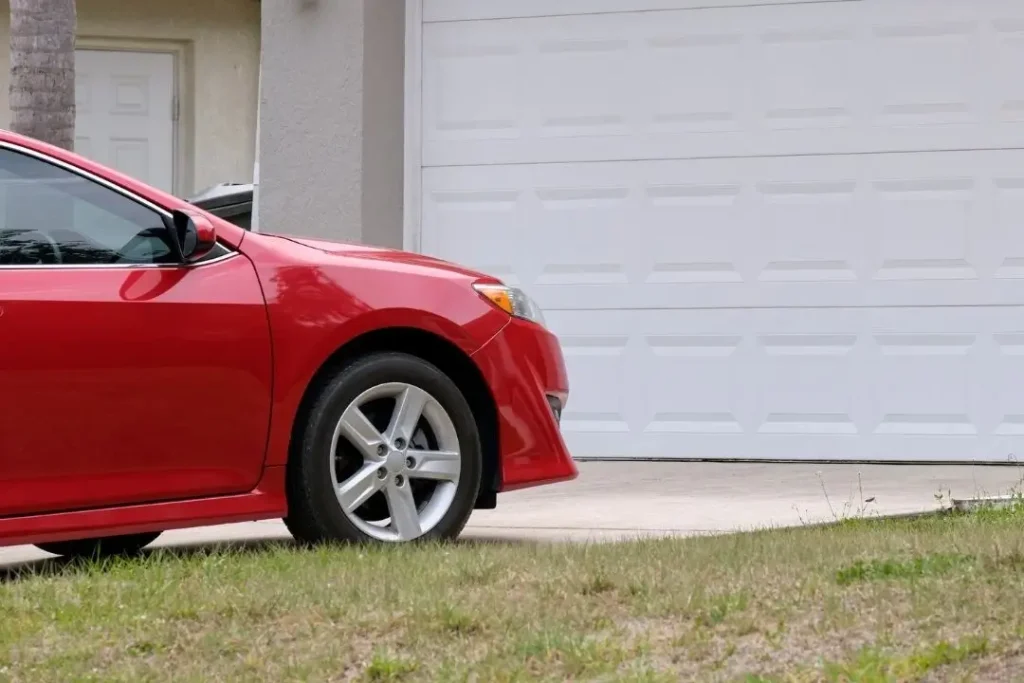
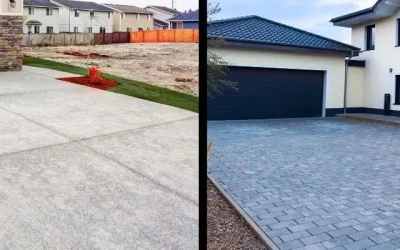
Heavy vehicles, including utes loaded with materials, trailers, or trucks, should stay off for a full 28 days. Driving on concrete too early is one of the most common causes of cracking and surface failure in residential driveways. If you are weighing up your driveway surface options, it is worth considering whether a concrete or paver driveway is the best option before committing to a material.
When Is Concrete Fully Cured?
Concrete reaches its full design strength at 28 days. After this point it is considered fully cured and safe for normal use, including heavy loads and vehicle traffic.
In practice, concrete continues to harden slowly beyond 28 days, but the 28-day mark is the standard benchmark used in the industry for structural purposes.
What Slows Down or Speeds Up Curing in the Goulburn Valley
Local conditions have a real impact on how concrete behaves after it is poured. The Goulburn Valley experiences hot summers, cold winters, and occasional dry winds, all of which affect the curing process.
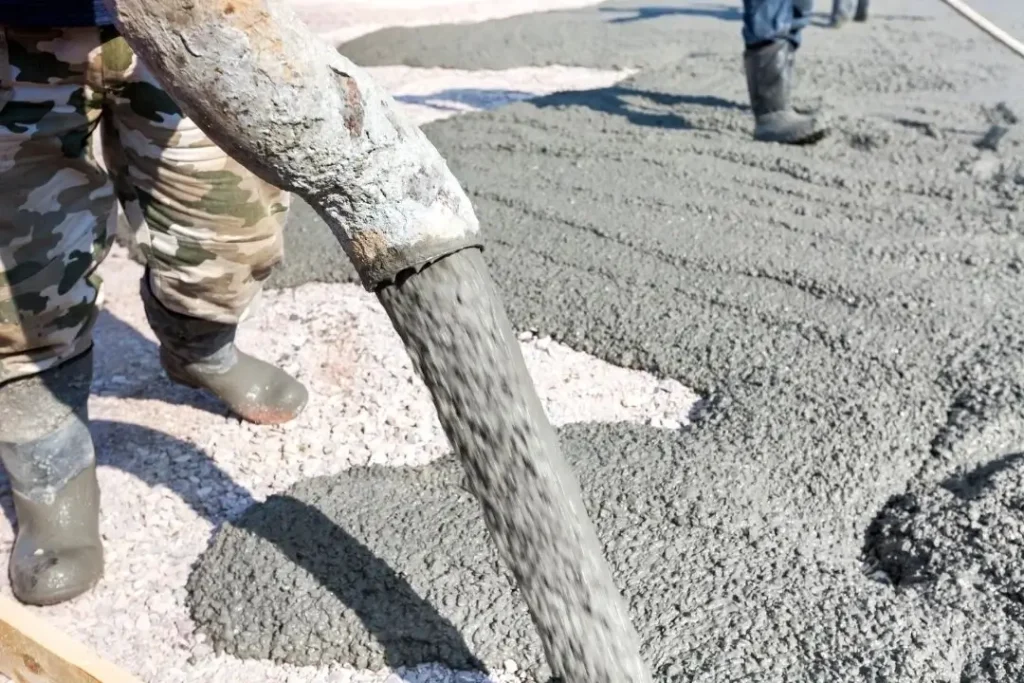
In hot weather, moisture evaporates from the surface too quickly. This causes the top layer to dry faster than the concrete beneath it, which leads to shrinkage cracks. In cold weather, the curing reaction slows significantly, and concrete poured near or below 5 degrees Celsius may not cure properly at all.
Extreme heat, direct sun, and strong winds are the conditions most likely to cause surface cracking in freshly poured concrete. Temperature and humidity during and after the pour are key factors that experienced concreters account for when planning a job.
How Curing Methods Affect the Final Result
Keeping concrete moist during the curing period is one of the most effective ways to improve its final strength. This is called wet curing, and it involves keeping the surface damp for at least 7 days after the pour.
Common methods include covering the slab with wet hessian, using plastic sheeting to retain moisture, or applying a curing compound that seals the surface. Your concreter should advise you on the right approach for the conditions on the day of your pour.
Skipping proper curing to save time is a false economy. A slab that cures poorly will crack earlier, wear faster, and cost more to repair or replace down the track.
Factors That Change the Timeline on Your Specific Job
Not all concrete mixes are the same. High-strength mixes, accelerated mixes, and mixes with specific additives can alter the curing timeline in either direction.
Slab thickness also matters. A thin decorative path cures differently to a 100mm structural slab or a thicker commercial floor. Your concreter should give you specific guidance based on the mix and thickness used on your job.
Concrete shed slabs are a good example of where the curing timeline is often underestimated. It is tempting to move equipment, vehicles, or heavy shelving into a new shed straight after the slab looks set, but loading weight onto a slab before it reaches sufficient strength is one of the more common causes of cracking and surface damage.
What You Should Avoid During the Curing Period
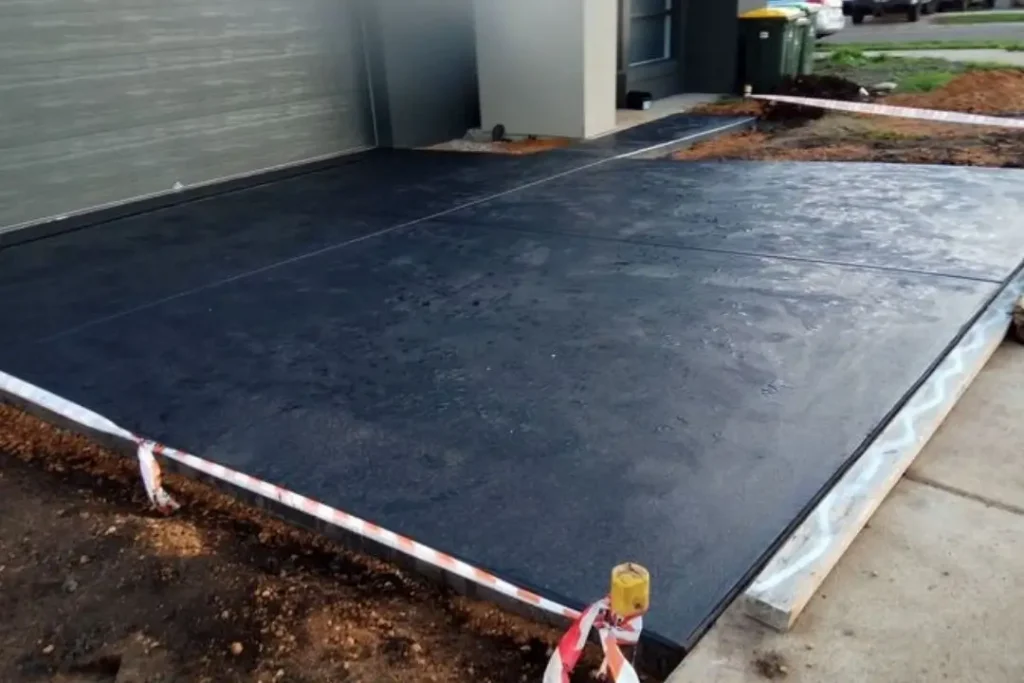
Do not wash down the surface with a hose in the first 24 hours. Water pooling on fresh concrete can weaken the surface layer and cause dusting or scaling later on.
Avoid parking on a new driveway before the 7-day mark, even briefly. The weight of a stationary vehicle concentrated on a single point can cause cracking in concrete that has not yet reached sufficient strength.
Keep pets off the surface for at least 48 hours. Claw marks and paw prints set permanently into concrete that has not fully hardened, and they are difficult to fix without grinding or resurfacing.
A Practical Summary Before Your Pour
Plan your pour around the weather forecast. Avoid scheduling concrete work during extreme heat, heavy rain, or cold snaps if you can help it.
Talk to your concreter about the mix being used and ask specifically about the curing method they recommend for your conditions. A good concreter will factor local weather into the job plan, not just the pour itself.
Build the waiting periods into your project timeline from the start. If you need a driveway ready for a specific date, work backwards from the 7-day or 28-day mark to set a realistic pour date.
Ready to Pour? Talk to a Local Concreter First
Getting the timing right before a pour saves a lot of headaches later. If you have questions about curing times, mix options, or scheduling around the Goulburn Valley weather, our team is happy to talk it through with you.
For concreters Kyabram, Euroa and surrounding areas trust, call us on (03) 4829 1211 for advice and a free quote.