The Finish You Choose Affects More Than Just Looks
Concrete pool surrounds take more punishment than most concrete surfaces around a home. It gets wet constantly, baked by the sun, walked on with bare feet, and exposed to pool chemicals year-round. Getting the finish right from the start saves you from costly repairs or resurfacing down the track.
Most homeowners focus on colour and style, which makes sense. But the finish also determines how safe the surface is, how hot it gets underfoot in summer, and how much upkeep it needs over time.
Slip Resistance Is Not Optional
Pool surrounds are classified as a wet, barefoot area, which means they need to meet specific slip resistance requirements under Australian standards. A surface that looks great when dry can become genuinely dangerous when wet if the wrong finish is chosen.
Slip resistance is measured using an Australian slip rating system that accounts for the angle at which a person would slide on a wet surface. The ratings that apply to pool surrounds are stricter than those for indoor floors, because the conditions are more demanding. Your concreters should be across these requirements before they start.
A surface that is too smooth will be slippery. One that is too coarse will be uncomfortable underfoot and harder to clean. Getting the texture right is a balance, and it depends largely on which finish you choose.
The Main Finish Options and How They Compare
Exposed Aggregate
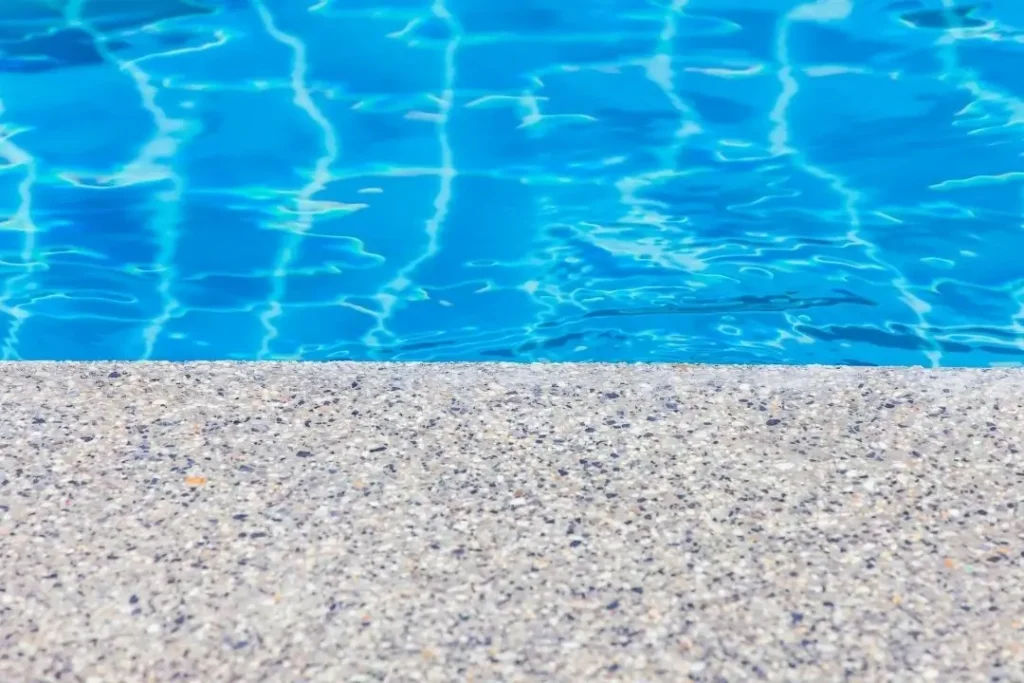
Exposed aggregate pool surrounds are one of the most popular choices in the Goulburn Valley, and for good reason. The surface texture is natural, non-slip, and holds up well in the heat. The aggregate (small stones or pebbles) is revealed during the finishing process, giving the surface a textured, decorative appearance.
Colour options are wide, and the finish tends to age well without looking tired. It does get warm underfoot on very hot days, but lighter aggregate colours help manage that. Maintenance is straightforward: a periodic wash and reseal keeps it looking good.
Brushed or Broom Finish
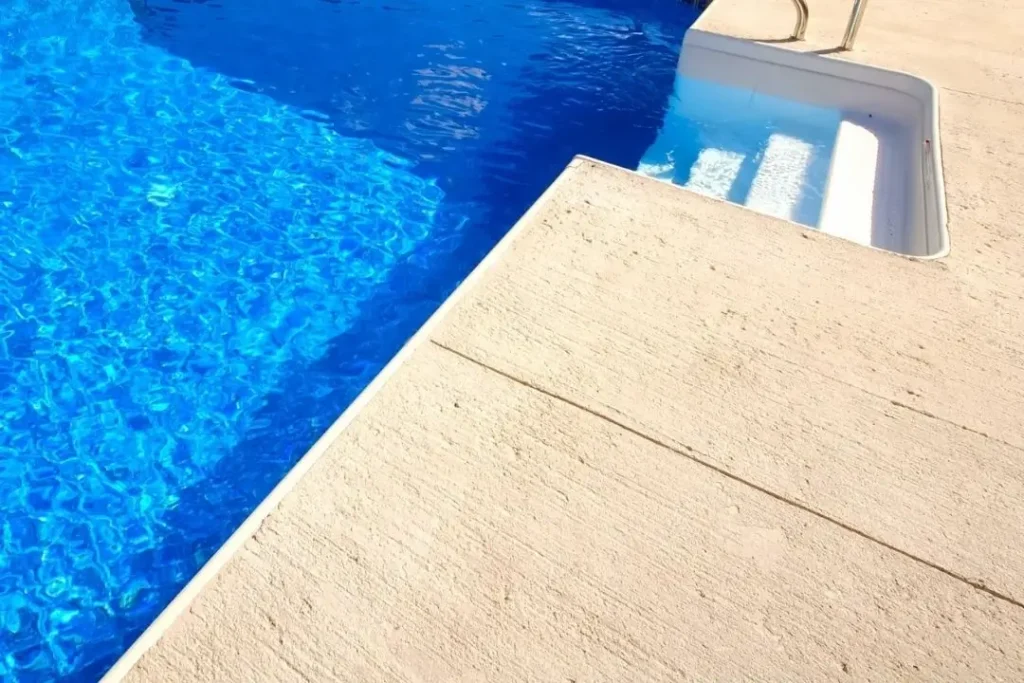
A brushed finish is the most cost-effective option and still meets slip resistance requirements when done correctly. The concrete is dragged with a broom before it sets, leaving a textured surface that grips wet feet.
It is a practical choice for larger areas where budget matters, though it lacks the visual appeal of exposed aggregate. Over time, the texture can wear in high-traffic areas, so the quality of the original pour matters.
Honed Concrete
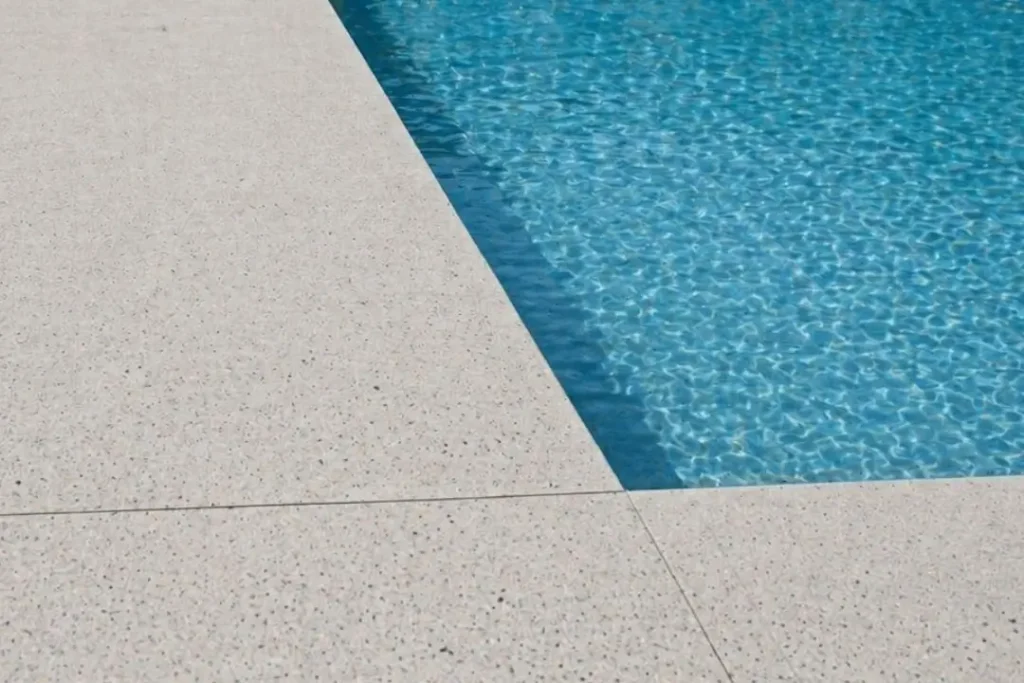
Honed concrete is ground back to a smooth, matte finish. It looks clean and modern, but the smoothness raises questions about slip resistance in wet conditions. If you want this look, your concreters need to apply an anti-slip additive or sealer to bring the surface up to the required rating.
It also absorbs heat more readily than exposed aggregate, which can make it uncomfortable around midday in summer. Resealing is required more regularly than with other finishes.
Stencilled or Patterned Concrete
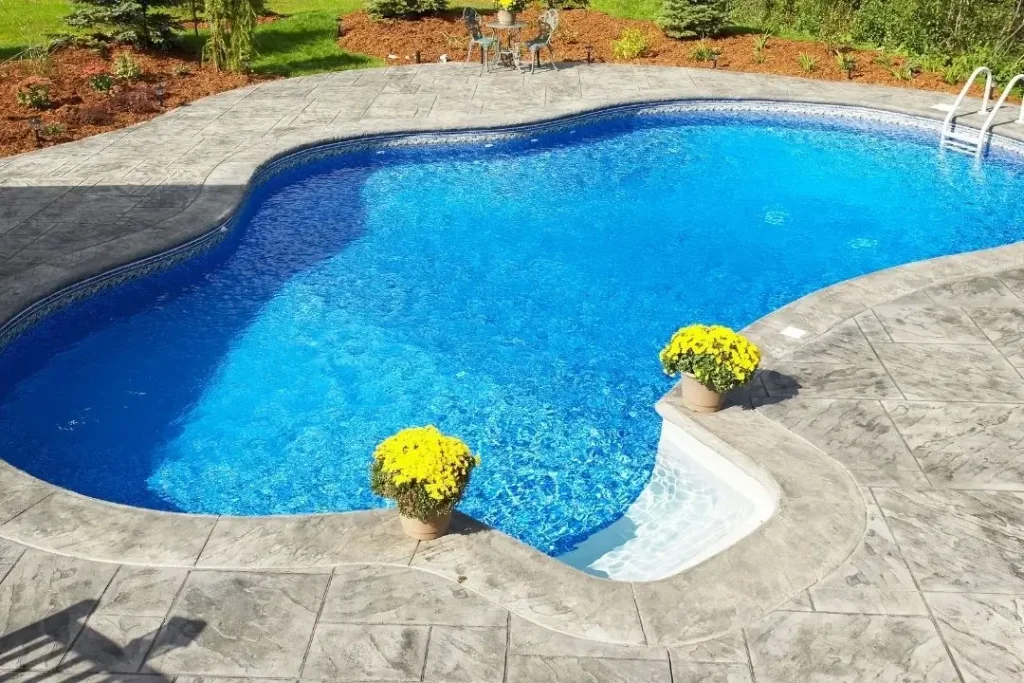
Stencilled concrete uses colour and pattern to mimic pavers, stone, or tile. The decorative layer sits on top of the base concrete, so the slip resistance depends on the texture of the overlay and the sealer used.
It can look impressive, but the overlay is more vulnerable to chipping and peeling over time, especially with pool chemical exposure. If you go this route, ask specifically about the durability of the product being used and how it handles UV and chlorine.
What Drives the Cost Up
Pool surrounds are not a simple flat slab. The shape of most pools means the concrete needs to be formed and finished around curves, steps, and coping edges. That takes more time and skill than a straightforward rectangular pour.
The size of the area, the finish chosen, and the complexity of the edge detail all affect the final price. Exposed aggregate costs more than a brushed finish, and any decorative work adds labour time on top of that.
Drainage is another factor that gets overlooked. The surround needs to slope away from the pool and toward drains, which requires careful planning during the pour. If drainage is not built in correctly, you end up with pooling water and a surface that deteriorates faster.
Colour and Heat: A Practical Consideration
Dark colours absorb more heat. In a Shepparton summer, a dark charcoal or black aggregate surround can become genuinely painful to walk on barefoot. Lighter tones, creams, and warm greys stay cooler and are a more practical choice for outdoor pool areas in this climate.
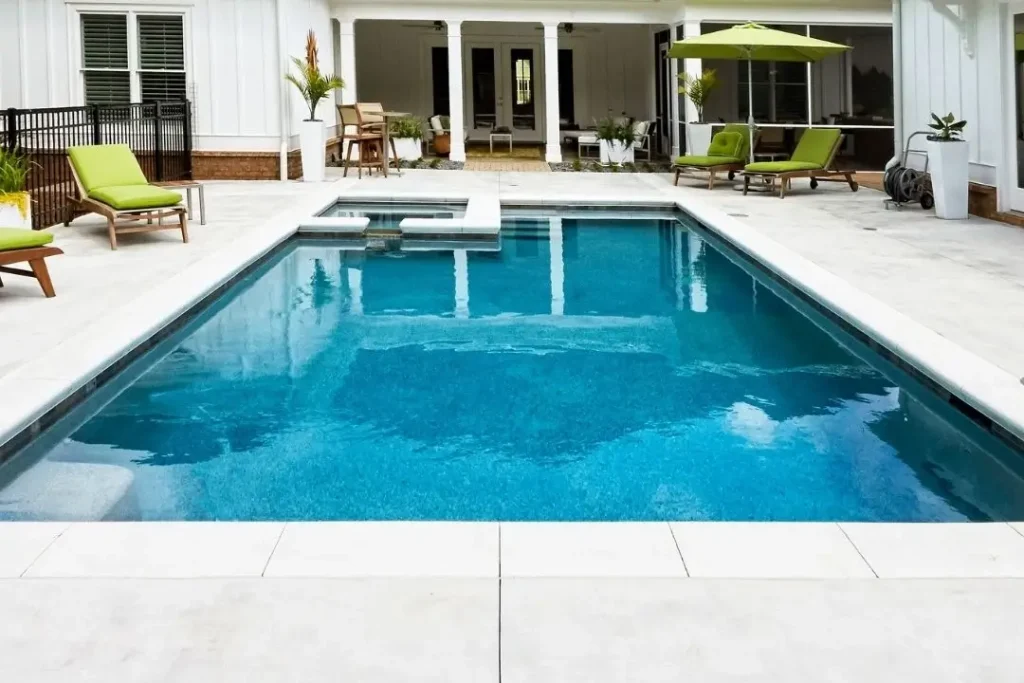
This does not mean you are stuck with a bland result. There is a wide range of lighter aggregate colours and finishes that still look sharp without turning your pool surround into a hotplate by noon.
Sealing and Long-Term Maintenance
All concrete pool surrounds benefit from sealing. A quality sealer protects the surface from pool chemicals, staining, and UV damage, and makes cleaning easier. The type of sealer matters: a penetrating sealer soaks into the concrete and does not change the appearance, while a topical sealer sits on the surface and can add a sheen.
For exposed aggregate, a penetrating sealer is usually the better choice. It protects without making the surface slippery or altering the texture. Resealing every few years keeps the surface in good condition and extends its life significantly.
Getting the Sequence Right
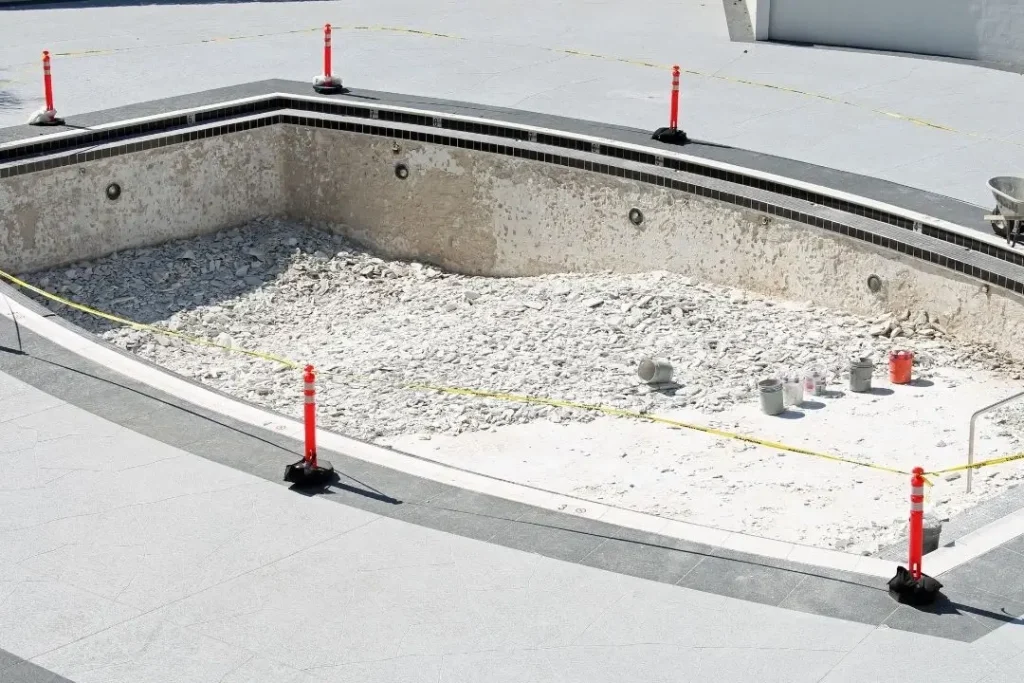
Pool surrounds are typically poured after the pool shell is complete and the coping is in place. The concrete needs to be formed up to meet the coping edge cleanly, which requires coordination between the pool builder and the concreters.
Make sure your concreters are on-site to inspect the pool edge before forming up. A gap or mismatch between the coping and the surround is a common issue that is easy to avoid with a quick check beforehand.
What to Ask Before You Commit
Before you sign off on a quote, ask your concreters which slip resistance rating the proposed finish will achieve and how that is being met. Ask whether drainage falls are built into the formwork or added after. Ask what sealer they recommend and how often it needs to be reapplied.
A concreter who cannot answer those questions clearly is worth being cautious about. The pool surround is a long-term investment, and the decisions made during the pour are not easy to undo. Make sure you also ask how long the concrete will need before the area is safe to use so you can plan around it.
Ready to Plan Your Pool Surround?
If you are planning a pool surround in Shepparton or the surrounding area, our team can walk you through the finish options, drainage requirements, and what suits your specific site. We work across the Goulburn Valley and take on both residential and commercial concrete work.
For concreters Tatura and surrounding towns trust, call us on (03) 4829 1211 or send us a message through our project enquiry form and we will get back to you promptly for your free onsite quote.