What a Concrete Patio Actually Costs in Australia
Most homeowners searching for a concrete patio price end up with a frustratingly wide range. That is because the cost genuinely varies depending on size, finish, site conditions, and where you are in the country.
As a rough guide, plain concrete patios in Australia typically cost between $65 and $85 per square metre for a basic brushed or broom finish. Decorative finishes push that figure higher, sometimes significantly.
A standard 30 to 40 square metre patio will generally come in somewhere between $2,000 and $5,000 for a plain finish, before any extras. That range shifts once you factor in the specifics of your job.
Why the Price Per Square Metre Is Only Part of the Story
Quoting a patio purely on square metres misses a lot of what actually drives the final invoice. Access, ground preparation, drainage, and the finish you choose all affect the total cost in ways that a rate-per-metre figure does not capture.
A site with poor drainage or uneven ground needs more preparation work before a single pour happens. That prep adds labour and time, and it is often underestimated in early budget conversations.
Concrete thickness also matters. A patio that will carry vehicle weight or heavy outdoor furniture needs a thicker slab than a lightly used entertaining area, and that changes both the volume of concrete and the reinforcement required.
How Decorative Finishes Change the Budget
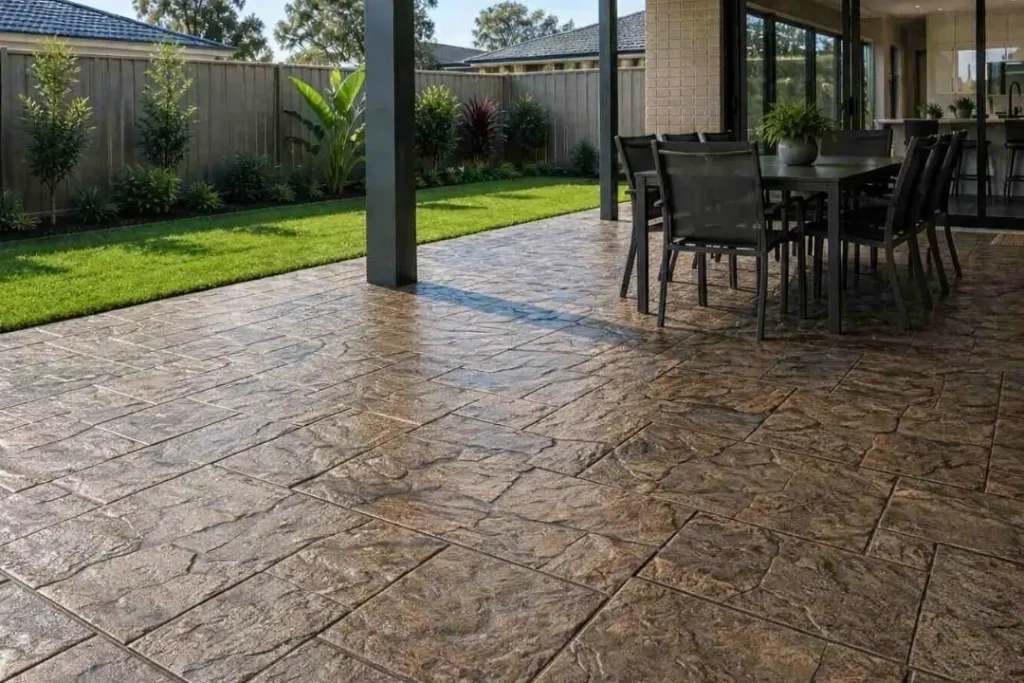
Plain broom-finished concrete sits at the lower end of the price range. Once you move into decorative options, costs increase in line with the complexity of the finish.
Exposed aggregate, stencilled concrete, and honed or polished finishes each require different techniques, materials, and curing times. The types of decorative concrete finishes available range from simple texture treatments to multi-step processes that take considerably more time on site.
Coloured concrete, where oxide pigments are mixed through the pour, adds cost at the materials stage. Stencilled or stamped patterns add labour. Both are worth budgeting for separately rather than assuming they fall within a standard rate.
Where Budgets Tend to Blow Out
The most common budget surprises on patio jobs come from site preparation, not the concrete itself. Tree roots, poor drainage, or an existing surface that needs breaking up and removing all add cost before the formwork even goes in.
Formwork on irregular shapes or sloped sites takes longer to set up than a simple rectangle on flat ground. If your outdoor area has curves, steps, or levels, factor in extra labour time.
Concrete pumping is another cost that catches people off guard. If the truck cannot get close enough to pour directly, a pump is needed, and that adds a few hundred dollars to the job depending on the setup.
Do You Need a Permit for a Concrete Patio?
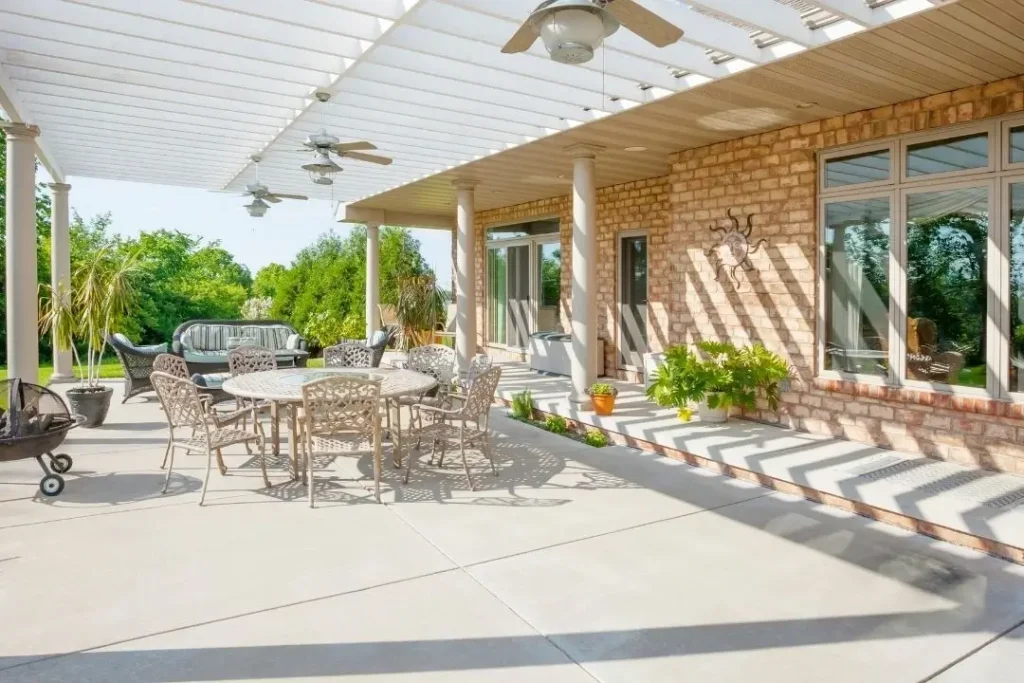
In Victoria, whether a patio slab requires a building permit depends on factors like size, whether it is attached to the house, and what it sits under. A freestanding slab in the backyard is treated differently from a covered outdoor area attached to the dwelling.
Building work in Victoria is regulated, and some concreting projects fall under the category of licensed building work depending on the scope and value of the job. Checking this before you start avoids problems down the track.
Your concreter should be able to tell you whether your project is likely to need a permit. If there is any doubt, a quick call to your local council will clarify it.
Comparing Concrete to Other Patio Surface Options
Pavers are often seen as the main alternative to a poured concrete slab. They typically cost more per square metre to supply and lay, though they are easier to repair if one section cracks or settles.
Concrete is generally more cost-effective for larger areas and holds up well in the Goulburn Valley climate, where temperature swings between seasons can stress some materials. A well-poured slab with proper control joints handles that movement without cracking.
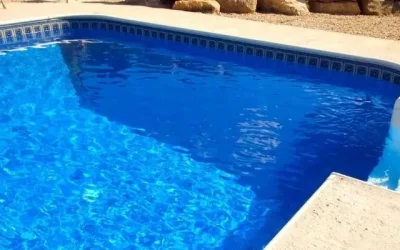
If you are also planning a pool, the same logic applies to the surrounding area. The approach to a concrete pool surround shares a lot with patio work in terms of finish options and surface preparation.
What to Ask Before You Accept a Quote
Not all quotes cover the same scope. Before you sign anything, confirm whether the price includes excavation and removal of spoil, formwork, reinforcement, control joints, and the finish you actually want.
Ask whether the quote assumes a standard concrete mix or a higher-strength mix. For a patio that will see regular foot traffic and outdoor furniture, a 25 MPa mix is a reasonable baseline, but some jobs warrant stronger.

Get at least two quotes and make sure they are comparing the same job. A lower price that excludes site preparation or assumes minimal excavation is not a fair comparison to a quote that covers the full scope.
Getting the Right Advice for Your Specific Site
Pricing a patio accurately requires someone to look at the actual site. Slope, soil type, access, and drainage all affect what the job involves, and none of that shows up in a generic rate.
A site visit before quoting is standard practice for any reputable concreter. If someone is quoting you over the phone without asking about your site conditions, that is worth questioning.
The Shepparton area has its own soil and drainage characteristics that affect how slabs are prepared and poured. Local knowledge matters more than people realise when it comes to getting a slab that lasts.
Ready to Get a Straight Answer on Price?
The best way to get an accurate figure is to have someone look at your site and give you a proper quote. For Shepparton concreters who know the local conditions and will give you a clear, itemised price, call us on (03) 4829 1211 or send us a message through our project enquiry form and we’ll come out for a free onsite quote.